
Norman Adams RA (1927–2005): Exploring Landscape Through Expression and Atmosphere
Norman Adams RA (1927–2005) was one of the most distinctive British painters of the post-war period. Known for his expressive landscapes, strong compositions and thoughtful approach to painting, Adams developed a highly individual style that placed him amongst an important generation of twentieth-century British artists.
His work is recognised for its sense of atmosphere, movement and place. Rather than simply recording a landscape, Adams used painting to explore the character and feeling of the environments that inspired him, creating works that are both observed and deeply personal.
Early Life and Education
Norman Adams was born in Bolton, Lancashire, in 1927. His early surroundings in the north of England had a lasting influence on his artistic outlook, with the landscape of the region becoming an important source of inspiration throughout his career.
He studied at Harrow School of Art before continuing his education at the Royal College of Art in London between 1951 and 1954. The Royal College of Art during this period was an important centre for post-war British creativity, bringing together a generation of artists who would go on to shape the direction of twentieth-century British painting.
During his studies, Adams was taught by artists including Carel Weight RA and John Minton, both influential figures in British art. This period helped establish the foundations of his approach to painting, combining observation with a more expressive and personal response to the landscape.
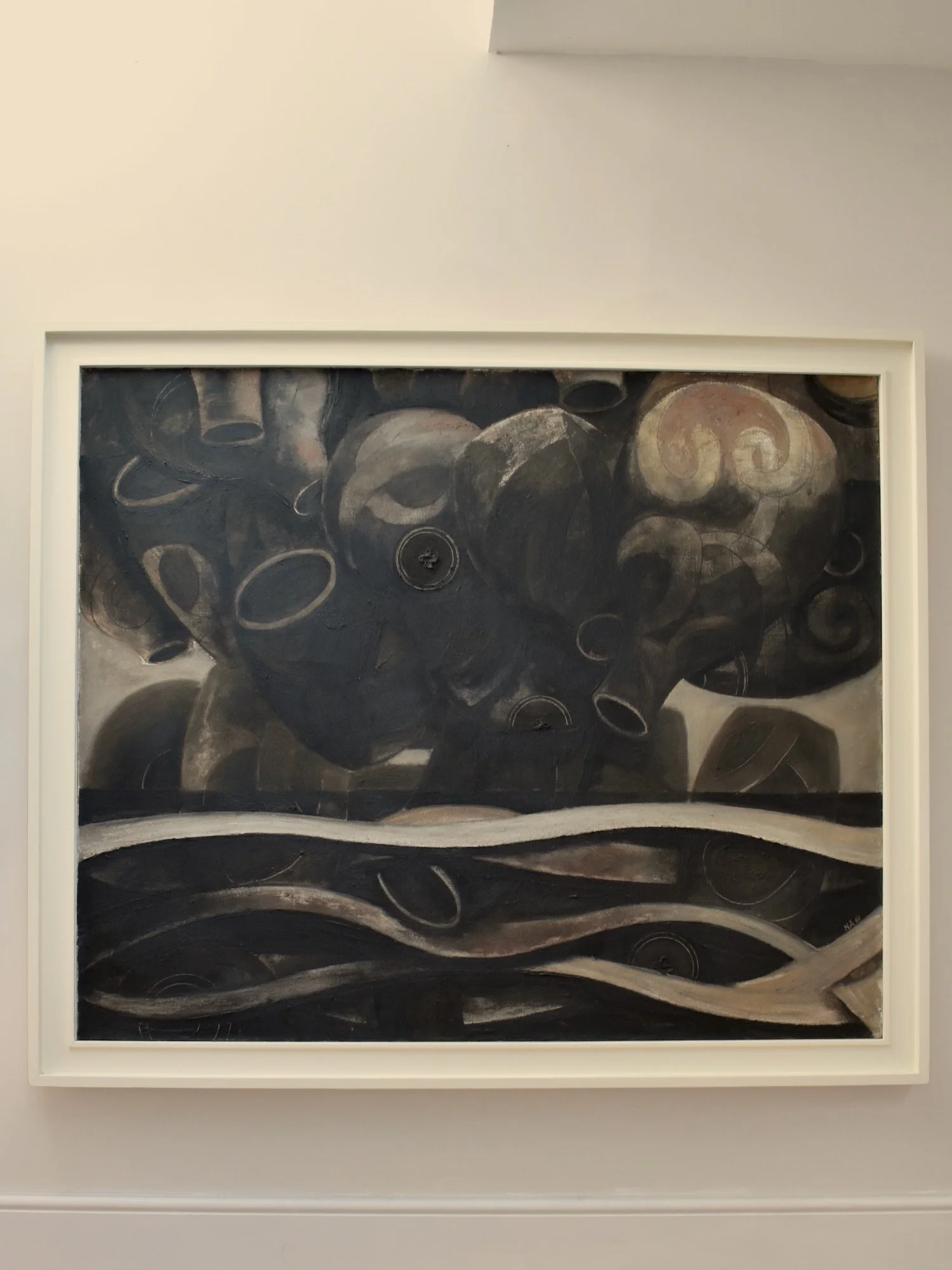
Norman Adams RA (1927–2005), The Flood, 1961, oil on canvas.
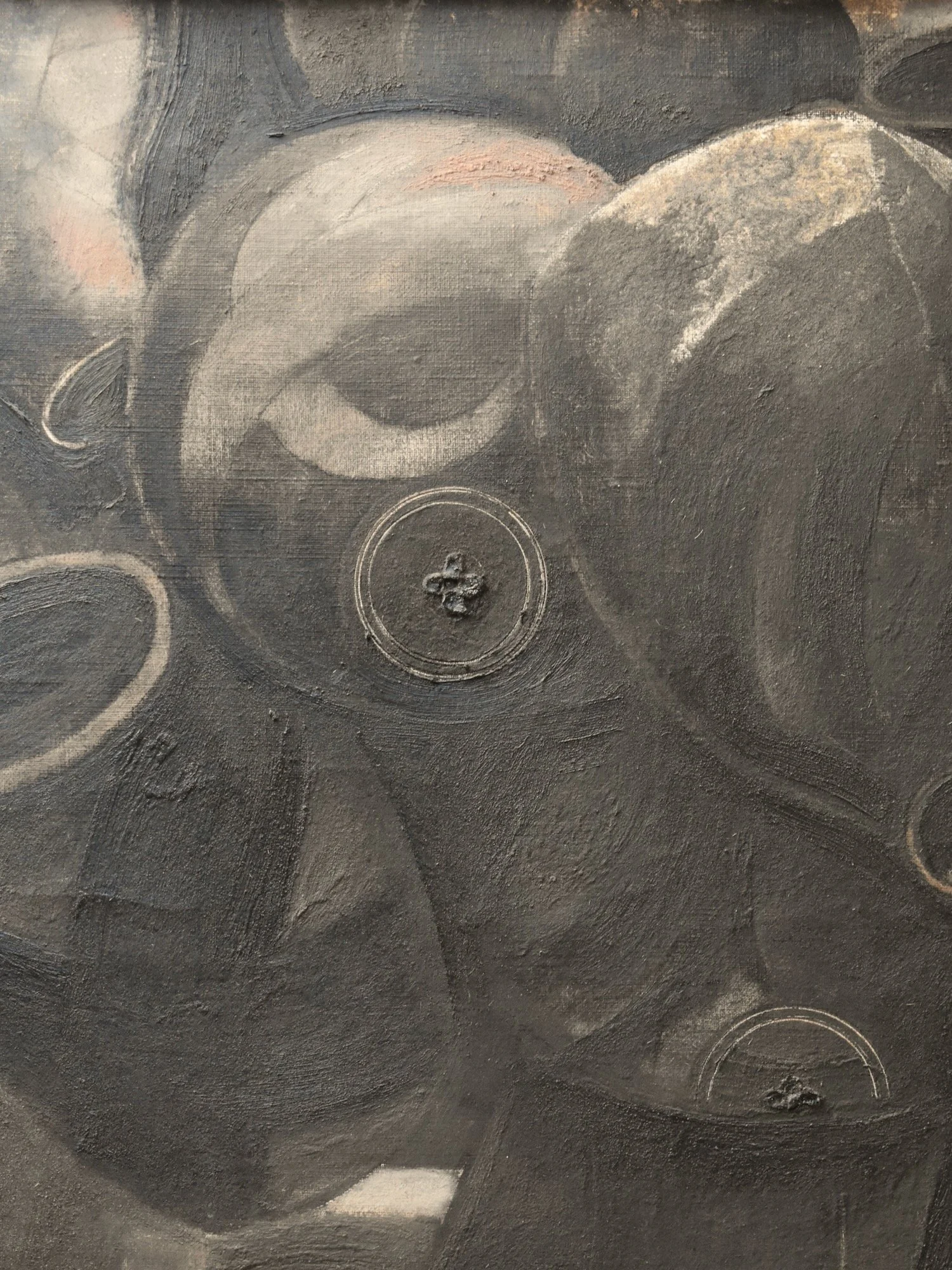
Detail of The Flood, 1961, showing Adams’ expressive handling of paint.
The Royal Academy and Later Career
In recognition of his contribution to British painting, Norman Adams was elected a Royal Academician in 1972.
His association with the Royal Academy became an important part of his later career. Alongside his own practice, he continued to exhibit widely, including at the Royal Academy Summer Exhibition and through leading galleries in Britain.
Adams travelled extensively throughout his career, finding inspiration in landscapes across Britain and further afield. These experiences informed his paintings, which continued to explore the relationship between place, memory and atmosphere.
Public Collections and Museums
Norman Adams’ work is represented in important public collections across the United Kingdom, including:
Tate
Royal Academy of Arts
Arts Council Collection
Government Art Collection
National Museum Wales
The Hepworth Wakefield
Leeds Art Gallery
Bradford Museums and Galleries
Manchester Art Gallery
Aberdeen Art Gallery
His paintings continue to be appreciated by collectors of Modern British art for their individuality, atmosphere and distinctive approach to landscape.
Norman Adams RA at Hutt Decor
The Flood (1961) is a large oil on canvas by Norman Adams RA, currently available through Hutt Decor.
Painted during an important period in Adams’ career, the work demonstrates his expressive approach to landscape through its scale, composition and sense of movement. The painting also carries an interesting provenance history, having previously passed through Roland, Browse & Delbanco, London, and Peter Nahum at Leicester Galleries.
The original Roland, Browse & Delbanco gallery label remains on the reverse of the canvas, alongside additional historic labels and inscriptions, providing a tangible link to the painting’s journey through previous collections.
Further Reading
For collectors interested in Modern British art, explore more artists, paintings and design pieces in the Hutt Decor collection.
Developing His Artistic Style
During the 1950s and 1960s, Adams developed his distinctive approach to landscape painting through expressive brushwork, texture and carefully considered composition.
His paintings often explore the relationship between land, weather and the forces of nature. Through layered surfaces and confident mark-making, Adams created landscapes that feel both immediate and contemplative.
The early 1960s were an important stage in Adams’ career. Works such as The Flood (1961) demonstrate his confidence with scale and composition, using movement and texture to create a strong sense of atmosphere and place.
Influences and Artistic Relationships
Adams belonged to a generation of British painters who were redefining landscape painting after the Second World War.
His work has often been considered alongside artists such as Graham Sutherland, John Piper and Peter Lanyon, who similarly explored landscape as something emotional and deeply personal rather than purely descriptive.
Throughout his career, Adams remained connected to the wider artistic community through his involvement with the Royal Academy and his teaching. His later role as Professor of Painting at the Royal Academy Schools allowed him to support and influence younger generations of artists.
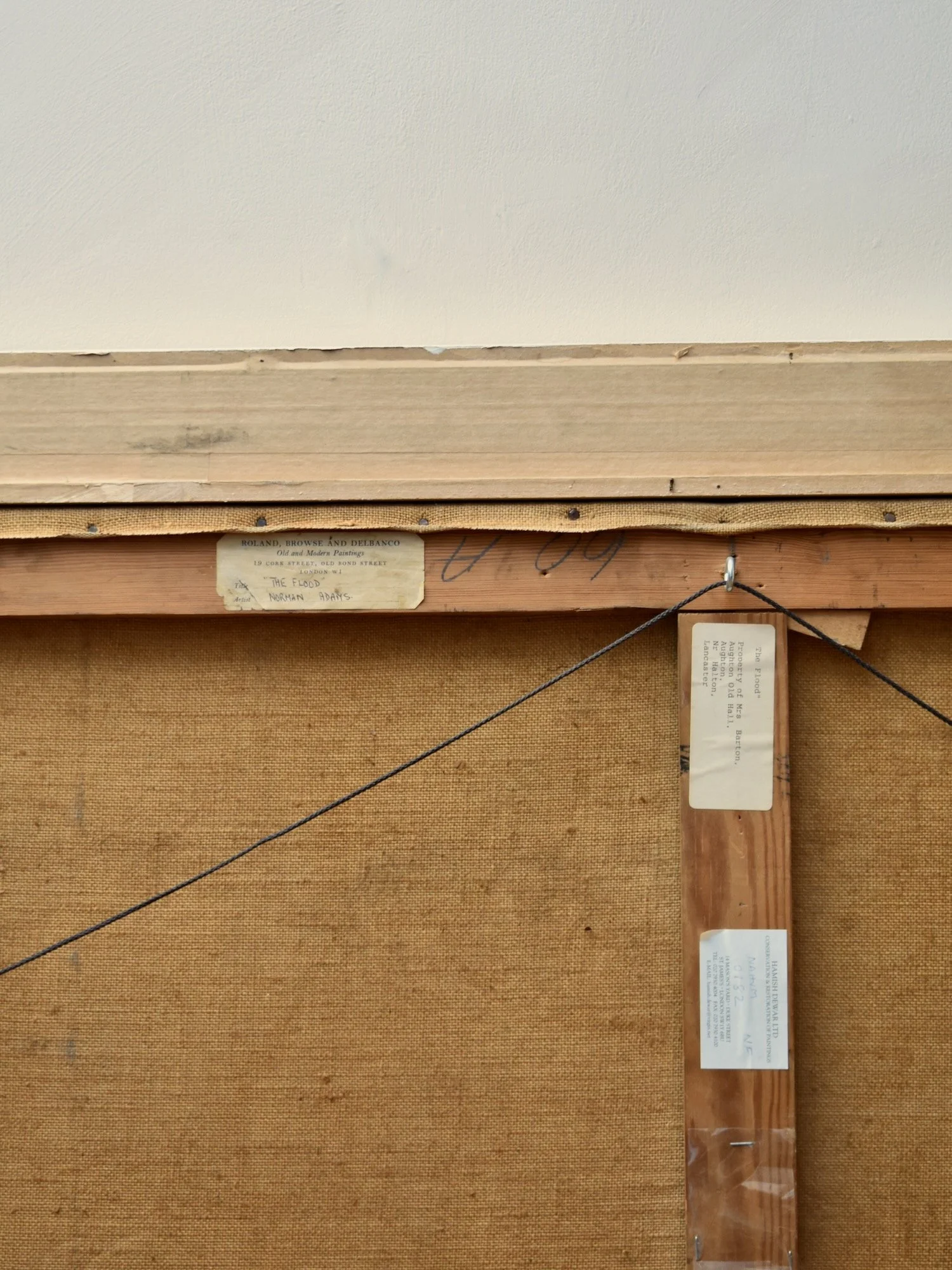
The original Roland, Browse & Delbanco label.
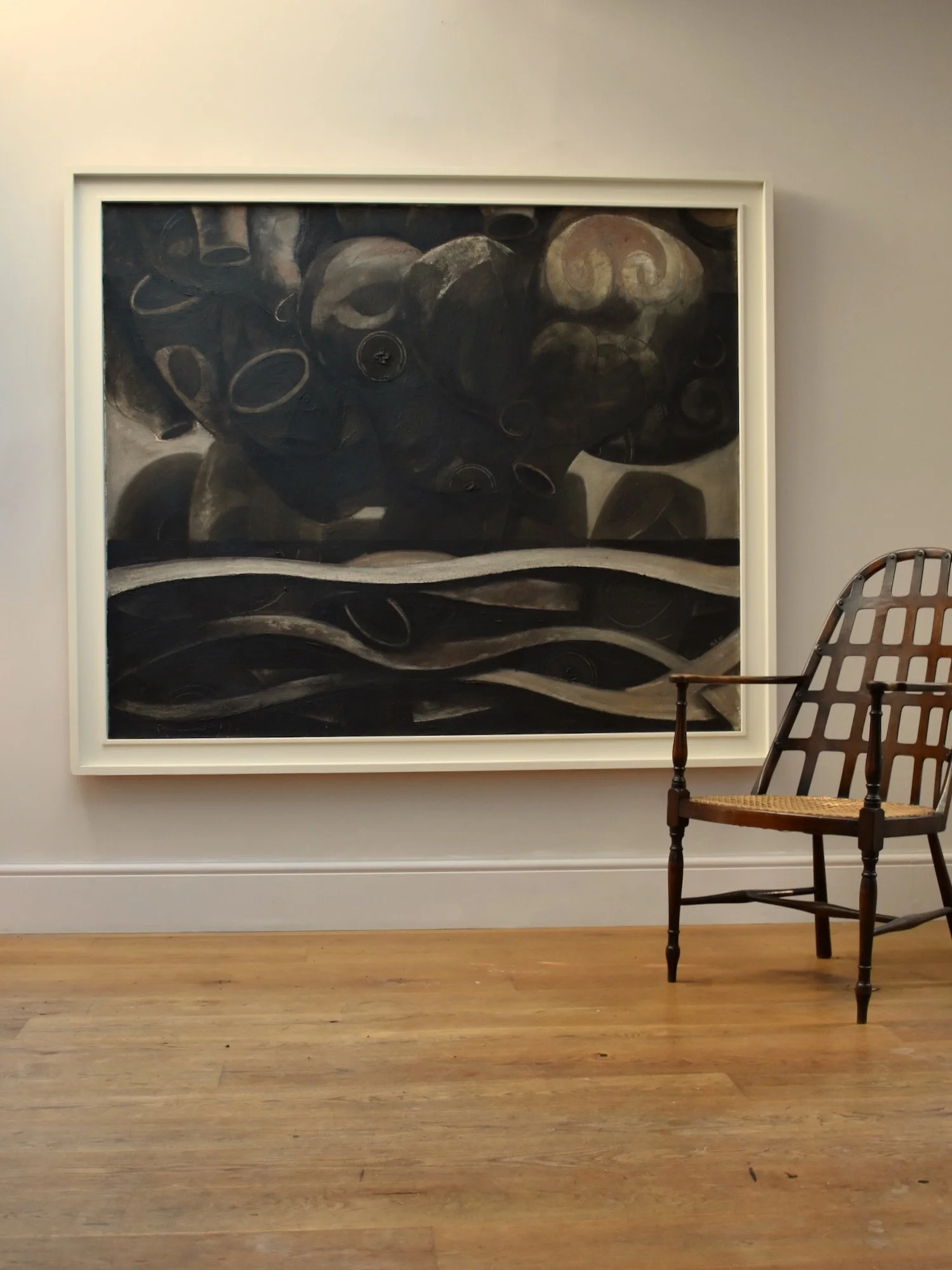
The Flood, 1961, demonstrates Adams’ approach to scale, movement and atmosphere.